Bangkok averages 30-35°C with humidity that can hit 90%. Wearing the wrong suit fabric here isn't just uncomfortable — it's miserable. You'll be wiping your forehead before you finish your first meeting.
The good news: the right fabric makes a dramatic difference. A well-chosen lightweight suit can feel surprisingly comfortable even in tropical heat. The key is understanding which fabrics breathe, which trap heat, and how weight and weave affect performance.
This guide covers what actually works — tested in Bangkok's climate by tailors who dress clients here every day.
Why Fabric Choice Matters More in Hot Climates
In temperate climates, fabric choice is largely aesthetic. You might prefer the drape of Italian wool or the texture of tweed. Comfort differences are subtle.
In Bangkok, fabric choice is survival. The wrong cloth will:
- Trap heat against your body
- Absorb sweat and show it
- Stick to your skin as humidity rises
- Wrinkle dramatically in moisture
- Feel heavy and restrictive
The right cloth will:
- Allow airflow through the weave
- Wick moisture away from skin
- Maintain structure without weight
- Resist wrinkles (or wear them gracefully)
- Feel light and move with you
The difference between a 350gsm winter wool and a 200gsm tropical wool isn't just measurable — it's the difference between comfort and suffering.
Understanding Fabric Weight
Fabric weight is measured in GSM (grams per square meter) or the imperial oz/yard. Here's what the numbers mean:
| Weight | GSM | Best For |
|---|---|---|
| Tropical/Summer | 180-230 | Hot climates, daily Bangkok wear |
| Lightweight | 230-280 | Year-round in warm climates |
| Medium | 280-320 | Temperate climates, air-conditioned offices |
| Heavy | 320-400+ | Cold climates, winter wear |
For Bangkok: Stay in the 180-280gsm range. Anything heavier becomes uncomfortable quickly.
Tropical Weight Wool: The Versatile Choice
When most people think "wool," they imagine heavy winter suits. But tropical weight wool is specifically engineered for heat.
Why It Works
- Natural temperature regulation: Wool fibers create air pockets that insulate in cold AND allow airflow in heat.
- Moisture wicking: Wool can absorb up to 30% of its weight in moisture before feeling wet.
- Odor resistance: Natural antimicrobial properties mean less smell even when you sweat.
- Wrinkle recovery: Wool springs back after sitting, unlike cotton or linen.
- Professional appearance: Drapes beautifully, holds structure all day.
What to Look For
- Weight: 200-250gsm is ideal for Bangkok
- Weave: Open weaves (fresco, hopsack) breathe better than tight weaves
- Twist: High-twist wools resist wrinkles and feel crisp
- Mill quality: Italian mills like Loro Piana and Vitale Barberis Canonico produce excellent tropical wools
Best Applications
- Business suits for air-conditioned offices
- Client meetings where professionalism matters
- Events where you need to look sharp all day
- Travel (wool packs well and recovers quickly)
Considerations
Tropical wool still retains some heat compared to linen or cotton. In outdoor settings without air conditioning, you may prefer even lighter options.
Linen: The Breathability Champion
Linen is the classic hot-weather fabric — and for good reason. Nothing breathes quite like it.
Why It Works
- Maximum airflow: Linen fibers are hollow and loosely woven, allowing air circulation.
- Rapid moisture absorption: Absorbs sweat quickly and dries fast.
- Cool to the touch: Actually feels cool against skin.
- Naturally antibacterial: Resists odor buildup.
- Gets better with wear: Softens and becomes more comfortable over time.
The Wrinkle Reality
Let's address the elephant in the room: linen wrinkles. A lot.
This isn't a flaw — it's the nature of the fiber. Linen's breathability comes from the same structure that causes creasing. You can fight it (and lose) or embrace it as part of the fabric's character.
Tips for managing linen wrinkles:
- Choose heavier linen (240gsm+) which holds shape better
- Opt for darker colors that show wrinkles less
- Accept some creasing as part of the aesthetic
- Hang immediately after wearing
- Steam rather than iron (pressing flattens the fibers)
Best Applications
- Casual to smart-casual settings
- Outdoor events in heat
- Resort wear and vacation suits
- Summer weddings
- Creative industries where formality is relaxed
When to Avoid
- Formal business meetings where crisp appearance matters
- All-day events where wrinkles will accumulate
- Situations requiring a sharp, structured look
Cotton: The Casual Option
Cotton suits offer comfort and breathability with a distinctly casual aesthetic.
Why It Works
- Soft and comfortable: Natural fiber that feels good against skin.
- Breathable: Allows airflow, though less than linen.
- Affordable: Generally less expensive than wool or quality linen.
- Easy care: Machine washable in many cases.
Limitations
- Wrinkles significantly: More than wool, comparable to linen.
- Less structure: Cotton suits often look more relaxed/unstructured.
- Absorbs moisture visibly: Sweat spots show more than on wool.
- Less formal: Not appropriate for traditional business settings.
Best Applications
- Casual blazers and unstructured jackets
- Weekend wear
- Creative industries
- Summer events without strict dress codes
- Chino-style trousers
Blends: The Best of Multiple Worlds
Fabric blends combine fibers to balance different properties. For tropical climates, strategic blends can outperform pure fabrics.
Popular Tropical Blends
Wool-Linen (60/40 or 70/30)
- Breathability of linen with structure of wool
- Reduced wrinkling compared to pure linen
- Natural texture adds visual interest
- Excellent for Bangkok's climate
Wool-Silk
- Subtle sheen and luxurious drape
- Lightweight and breathable
- More delicate, requires careful handling
- Best for evening or special occasions
Wool-Cotton
- Casual aesthetic with some wool benefits
- Comfortable and breathable
- More wrinkle-prone than pure wool
- Good for unstructured blazers
Linen-Cotton
- Maximum breathability
- Very casual aesthetic
- Wrinkles considerably
- Beach or resort wear
Choosing the Right Blend
- Need to look professional? Lean toward higher wool content (70%+).
- Prioritizing comfort? Higher linen or cotton content.
- Want the best balance? 60/40 wool-linen hits the sweet spot for many.
Thai Silk: A Special Mention
Thai silk deserves discussion — it's locally produced, culturally significant, and has unique properties.
Characteristics
- Distinctive texture: Slightly rough, clearly handwoven
- Beautiful sheen: Catches light distinctively
- Breathable: Natural fiber with good airflow
- Statement fabric: Makes an impression
Best Applications
- Ties and pocket squares
- Linings
- Evening jackets for special occasions
- Shirts (though care is required)
- Statement blazers
Considerations for Suits
Pure silk suits are delicate and require careful handling. For everyday wear, silk works better as a blend component (wool-silk) or for accent pieces rather than full suits.
Construction Matters Too
Fabric choice is only part of the equation. How the suit is constructed significantly affects comfort.
Lining Options
| Lining | Breathability | Best For |
|---|---|---|
| Full lining | Lowest | Air-conditioned offices |
| Half lining | Moderate | General Bangkok wear |
| Quarter lining | High | Maximum breathability |
| Unlined | Highest | Casual jackets, extreme heat |
For Bangkok, we typically recommend half lining or quarter lining unless you'll be primarily in air conditioning.
Lining Fabric
Even within lined jackets, the lining fabric matters:
- Bemberg (cupro): Best breathability, smooth, wicks moisture
- Silk: Luxurious, breathable, but more delicate
- Polyester: Cheapest, traps heat — avoid in Bangkok
Shoulder Construction
- Structured shoulders: Traditional look, adds slight weight
- Soft shoulders: Natural, lighter, more comfortable
- Unstructured: Minimal padding, lightest option
What to Avoid
Some fabrics simply don't work in tropical heat:
Heavy wools (300gsm+)
- Designed for cold climates
- Will trap heat unbearably
Thick tweeds
- Beautiful in British winter
- Miserable in Bangkok
Polyester suits
- Trap heat and moisture
- No breathability
- Develop odor quickly
Velvet or heavy corduroys
- Cold-weather fabrics entirely
- Inappropriate for tropical climates
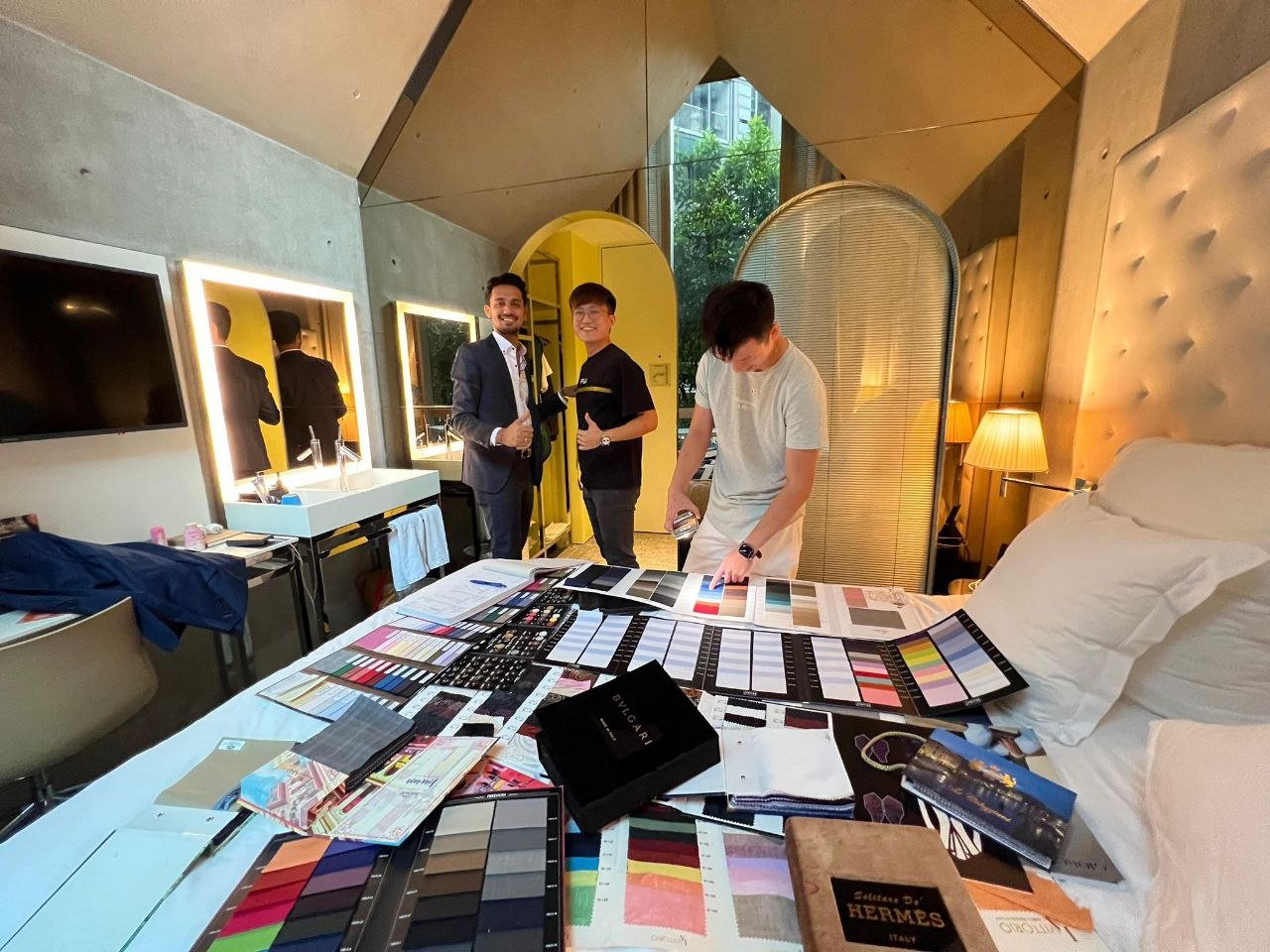
Fabric Selection at Eternal Tailor
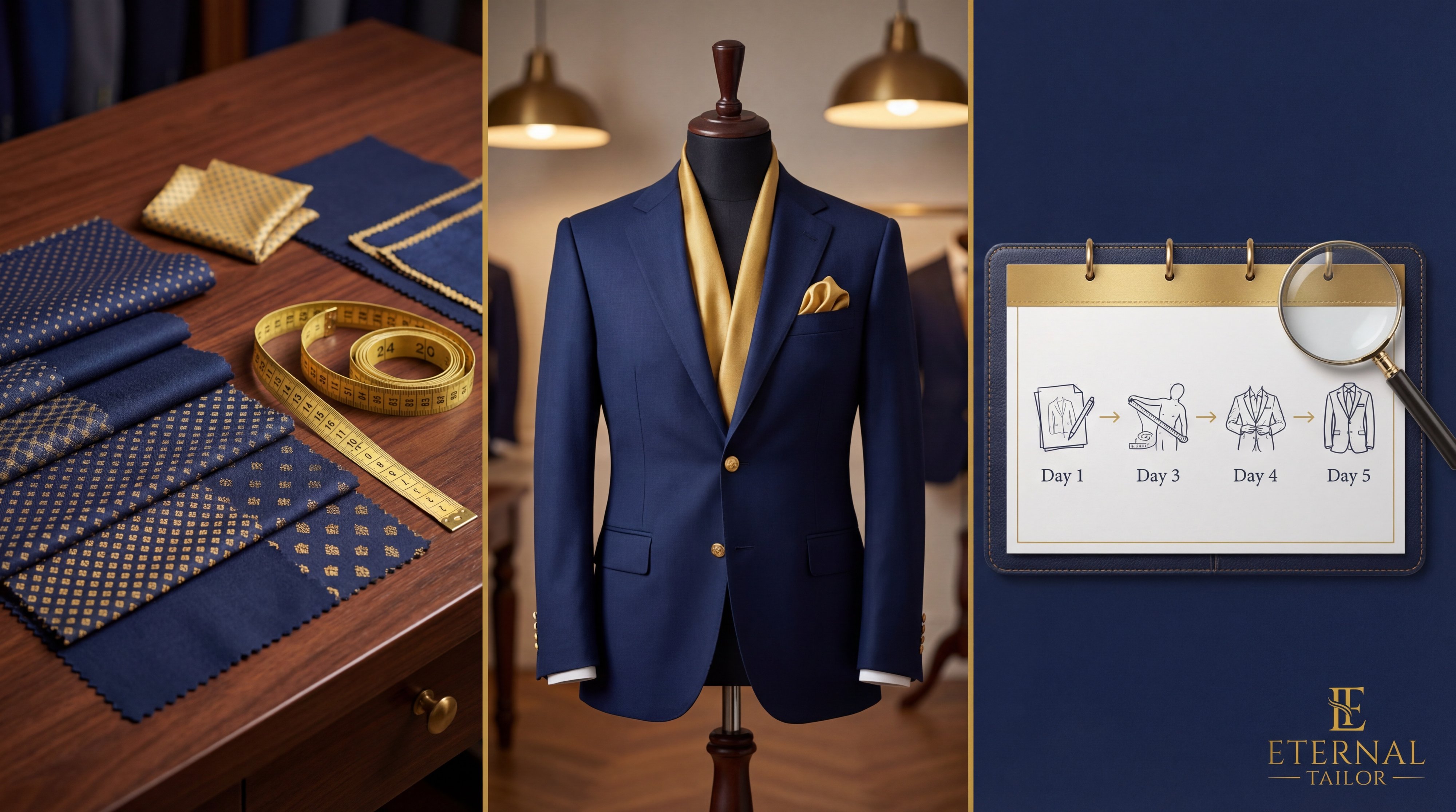
We've curated our fabric collection specifically for Bangkok's climate. Our selection includes:
Tropical Wools
- Italian mills: Loro Piana, Vitale Barberis Canonico
- Weights: 200-260gsm
- High-twist options for wrinkle resistance
Premium Linens
- Irish linen in various weights
- 240gsm options for better structure
- Solid colors and subtle patterns
Wool-Linen Blends
- 60/40 and 70/30 options
- Best of both worlds for Bangkok
Australian Merino
- Superfine wools for comfort
- Excellent breathability
Thai Silk
- For linings, accents, and statement pieces
- Locally sourced, authentic
Egyptian Cotton
- For shirting and casual jackets
- Supima and Sea Island varieties
Our Recommendation Process
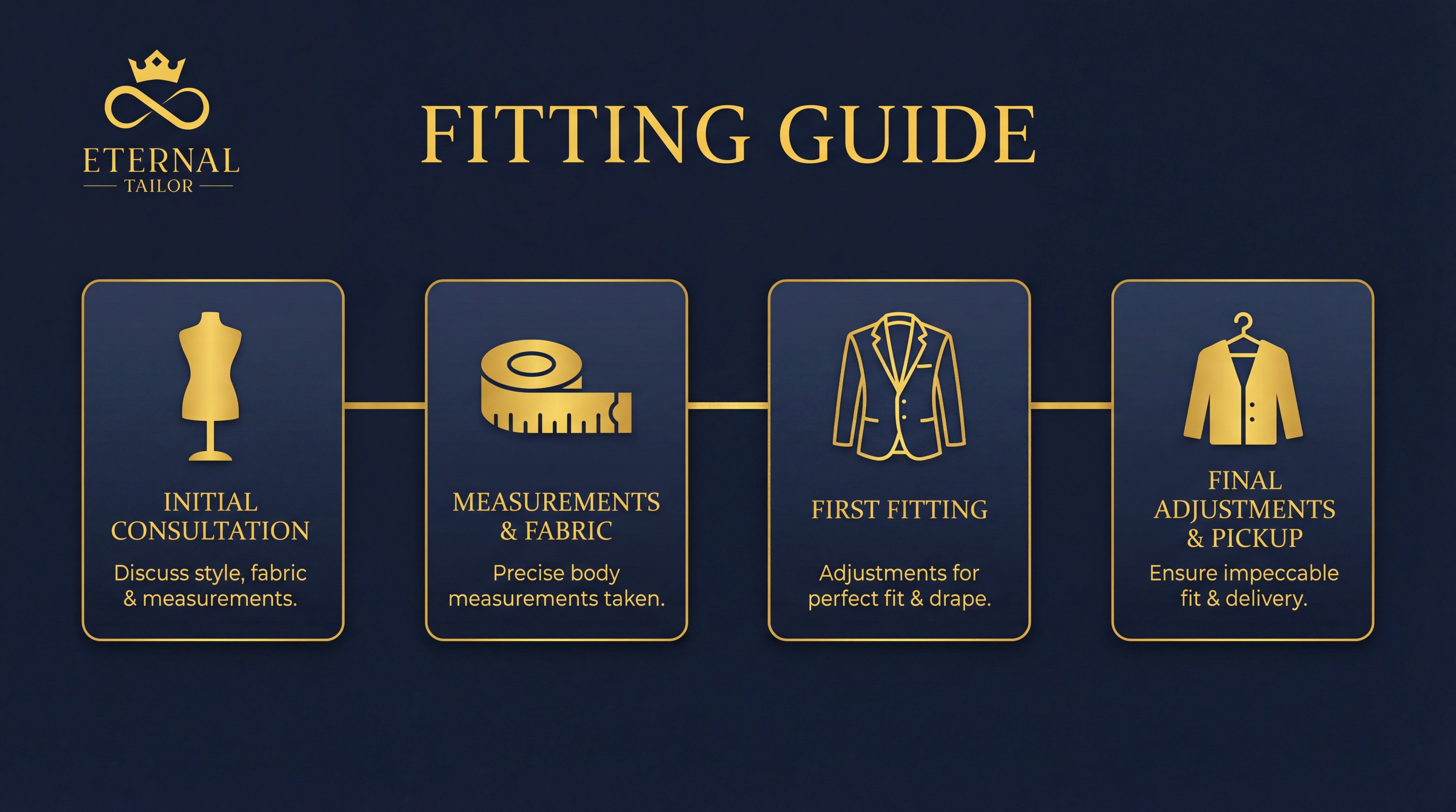
When you visit, we discuss:
- Where you'll wear it: Office? Outdoor events? Travel?
- Climate at home: Will this suit travel to colder places?
- Formality needed: Business? Smart-casual? Evening?
- Your comfort priorities: Maximum breathability vs. wrinkle resistance?
Based on your answers, we guide you to fabrics that actually work — not just what looks good on the bolt.
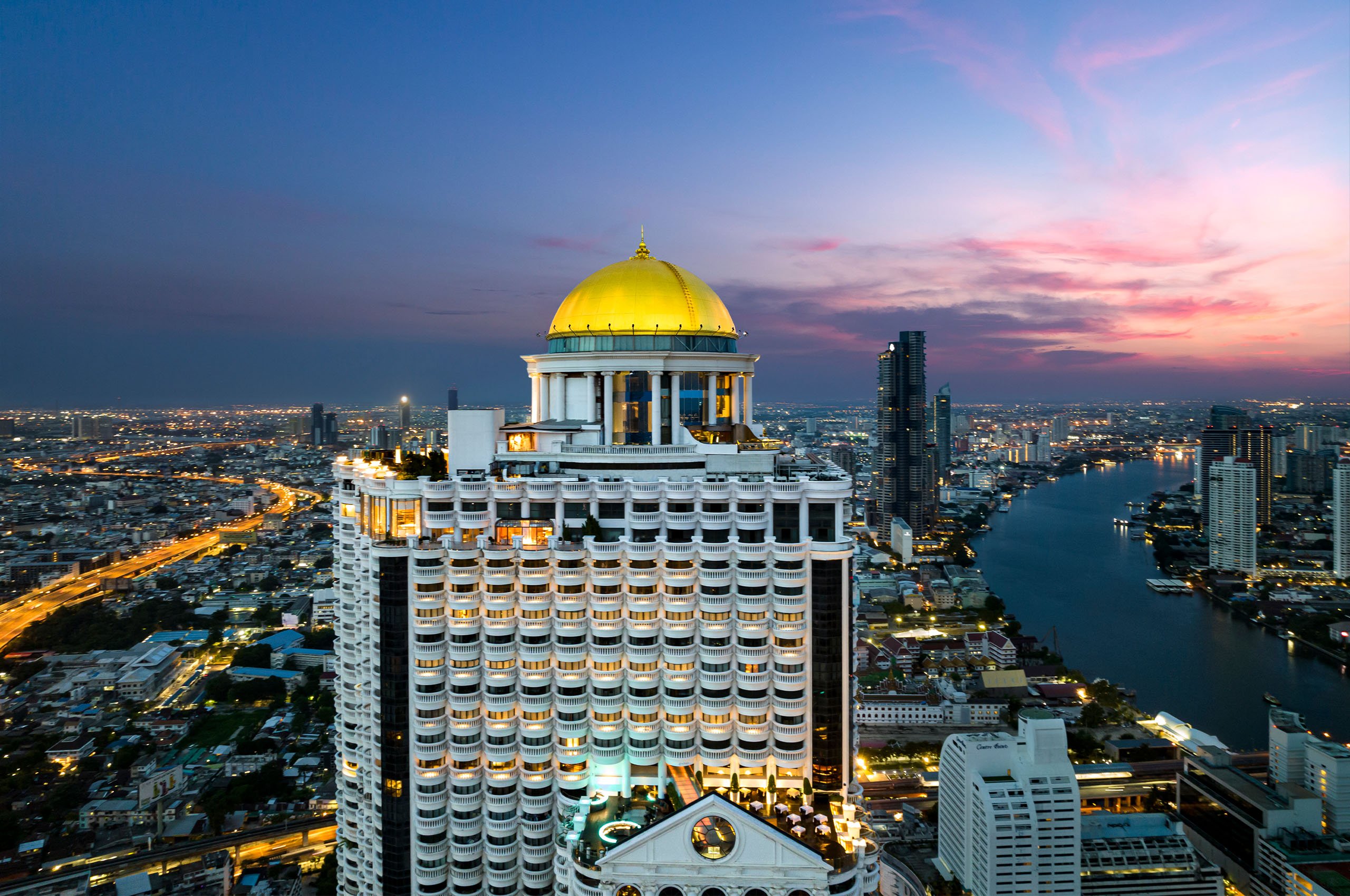
Address: 1045 Si Lom Rd, under State Tower (Lebua), Bangkok
WhatsApp: +66 97 986 6373
Come feel the difference. Our fabric room is climate-controlled, but we understand your suit won't always be.